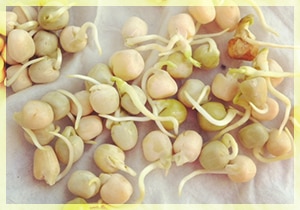
Presprouting Sweet Peas: Your Guide to Early, Healthy Growth
There's a special joy in growing sweet peas – their delicate blooms, intoxicating fragrance, and vigorous climbing habit can transform any garden space. However, getting sweet pea seeds to germinate reliably can sometimes be a test of patience, especially in unpredictable spring weather. This is where the magic of presprouting peas comes into play. It's a simple, yet incredibly effective technique that promises higher germination rates, earlier blooms, and a more robust start for your beloved sweet peas.
Presprouting eliminates many of the common pitfalls associated with direct sowing, such as seeds rotting in cold, wet soil or the frustration of non-viable seeds failing to sprout after weeks of waiting. By giving your sweet pea seeds a head start in a controlled environment, you're not just planting seeds; you're planting tiny, proven seedlings ready to thrive. This guide will walk you through everything you need to know about presprouting sweet peas, ensuring a successful and rewarding growing season.
Why Presprout Sweet Peas? Unlocking Superior Germination and Growth
The benefits of presprouting peas extend far beyond merely speeding up the process. This method offers several compelling advantages that make it an invaluable technique for any sweet pea enthusiast, whether you're a seasoned gardener or just starting out. For a deeper dive into the overall benefits of this technique, check out our comprehensive article on Why Presprout Peas? Avoid Rot, Boost Speed & Viability.
- Guaranteed Germination Success: One of the most significant advantages of presprouting is that it virtually eliminates the guesswork. You only plant seeds that have visibly sprouted, ensuring that every spot in your garden is filled with a promising seedling. This saves time, effort, and precious seed.
- Avoid Rot in Cold Soil: Sweet peas are often planted early in the spring when soil temperatures can still be quite low. Directly sown seeds in cold, damp conditions are highly susceptible to rotting before they have a chance to germinate. Presprouting bypasses this issue entirely, as seeds sprout in a warm, controlled environment before being transplanted.
- Faster Growth and Earlier Blooms: By sprouting indoors, you give your sweet peas a crucial head start. This can shave off several days, even up to a week, from the germination timeline compared to direct sowing. This accelerated start translates directly into earlier flowering, allowing you to enjoy their beauty and fragrance sooner. Some gardeners report sprouts showing within just a few days, leading to blooms weeks ahead of conventionally sown seeds.
- Test Seed Viability: Have an old packet of sweet pea seeds whose expiration date you can't quite recall? Presprouting is an excellent way to test their viability. By subjecting a small batch (say, 10 seeds) to the presprouting process, you can quickly determine their approximate germination rate, helping you decide whether to use them or purchase new ones. This also prevents you from wasting garden space on seeds that will never grow.
- Maximized Efficiency: No more waiting weeks for seeds to emerge, only to discover bare patches that require re-sowing. Presprouting optimizes your garden schedule, allowing you to plant healthy, vigorous seedlings precisely when conditions are optimal, ensuring a continuous and robust growth cycle.
- Overcoming Hard Seed Coats: While there's a debate about the effectiveness of soaking or nicking sweet pea seeds to aid germination, many gardeners find that the consistent moisture and warmth of the presprouting method naturally encourages the seeds to break dormancy, even those with notoriously hard seed coats.
Gathering Your Tools: What You'll Need for Presprouting Sweet Peas
The beauty of the presprouting method lies in its simplicity. You don't need any specialized equipment, just a few common household items. Here’s what you’ll gather:
- Sweet Pea Seeds: Naturally, these are the stars of the show! Choose high-quality seeds from a reputable source for the best results.
- Water: Tap water is perfectly fine. You'll need it for an optional pre-soak and to dampen your paper towels.
- Paper Towels or Coffee Filters: These provide the moist medium for germination. Choose sturdy, unbleached paper towels if possible. Coffee filters can also work well, especially for smaller batches.
- A Plastic Bag or Container with a Lid: Ziplock bags are ideal as they create a mini-greenhouse effect, maintaining humidity. A plastic container with a tight-fitting lid will also work.
- Permanent Marker: Crucial for labeling your bags with the sweet pea variety and date. This prevents confusion, especially if you're presprouting multiple types.
- Optional: Small Container for Soaking: A cup or bowl for the initial overnight soak.
Ensuring your materials are clean is important to minimize the risk of mold or fungal growth, which can hinder successful germination.
Your Step-by-Step Guide to Presprouting Sweet Peas
Now that you understand the "why" and have your materials ready, let's dive into the "how." This process is straightforward and incredibly rewarding. For a visual guide and more detailed tips on guaranteeing success, be sure to read our article on How to Presprout Peas: Guarantee Germination Success.
- The Optional Overnight Soak (Recommended):
While some debates surround the effectiveness of simply soaking sweet pea seeds, many experienced gardeners find it a beneficial first step when combined with presprouting. Place your sweet pea seeds in a small container and cover them with water. Let them soak overnight, typically 8-12 hours. This helps to soften their tough outer shell, signaling to the embryo inside that it's time to wake up and begin the hydration process. You'll notice the seeds plump up significantly.
- Prepare Your Damp Paper Towel:
After soaking (or if skipping the soak, proceed directly), take a sheet or two of paper towel and dampen it thoroughly. It should be moist, but not dripping wet. Gently squeeze out any excess water. The goal is consistent humidity, not saturation.
- Arrange Your Seeds:
Carefully spread your sweet pea seeds onto one half of the damp paper towel. Ensure they are spaced out, not touching each other, to allow for air circulation and prevent any potential mold from spreading. Too many seeds in one spot can also hinder proper root development.
- Create the "Seed Envelope":
Fold the other half of the paper towel over your seeds. Then, fold the sides inwards, much like you would fold an envelope. This secures the seeds in place and keeps them in consistent contact with the moisture.
- Seal in a Plastic Bag (and Label!):
Carefully place the folded paper towel with the seeds into a plastic ziplock bag or a sealed plastic container. Leave the bag slightly unzipped or open a tiny corner for minimal air exchange – this prevents it from becoming too anaerobic and reduces the risk of fungal issues. Crucially, use your permanent marker to label the bag with the sweet pea variety and the date you started the presprouting process. You'll thank yourself later!
- Find the Right Spot:
Sweet peas generally prefer warmth and darkness for germination. Place your sealed bag in a warm location, ideally between 65-75°F (18-24°C). This could be on top of a refrigerator, in a warm closet, or near a heating vent (but not directly on it). Avoid direct sunlight, as it can overheat the bag and dry out the paper towel.
- Monitor Daily for Sprouts:
Check your seeds daily, usually starting after 2-3 days. You're looking for a tiny white root, called the radical, emerging from the seed. Some seeds might sprout faster than others. Don't be alarmed if some take a little longer; consistency is key. If the paper towel appears to be drying out, re-dampen it very lightly with a spray bottle, being careful not to over-saturate.
From Sprout to Soil: Planting Your Presprouted Peas
Once you see those tiny white roots emerging, it's time for the next crucial step: planting. This is where your presprouting efforts pay off, as you're handling vibrant, actively growing seedlings.
- Timing is Everything:
Plant your sprouted sweet peas immediately. The longer the radical grows in the paper towel, the more fragile it becomes, and the more difficult it will be to transplant without damage. Aim to plant when the root is just a few millimeters to about half an inch long.
- Prepare Your Planting Medium:
Have your planting containers or garden bed ready. If planting indoors, use small pots, cell packs, or soil blocks filled with a high-quality, damp seed-starting mix. If direct sowing outdoors, ensure your garden soil is well-prepared, loose, and free of large clumps, and that the danger of hard frost has passed.
- Gentle Handling:
This is paramount! The delicate radical is easily damaged. Use tweezers or a toothpick to gently lift each sprouted seed from the paper towel. Avoid touching the root itself if possible.
- Planting Depth and Spacing:
Create a small hole in your soil about 1/2 to 1 inch deep. Carefully place the sprouted seed into the hole with the root pointing downwards. Lightly cover the seed with soil, just enough so you can no longer see the seed. If planting multiple seeds, space them according to typical sweet pea recommendations (usually 4-6 inches apart, or closer for a fuller display).
- Provide Bright Light (Immediately!):
Once planted, your sweet peas need bright light without delay. If starting indoors, place them under grow lights or in a very bright, south-facing window. This prevents them from becoming leggy and weak as they stretch for light. Insufficient light at this stage can set back their growth significantly.
- Consistent Moisture:
Keep the soil consistently moist but not waterlogged. Overwatering can lead to damping-off disease. A gentle watering can or bottom-watering technique works well.
- Harden Off (If Necessary):
If you started your sweet pea seedlings indoors and plan to move them to an outdoor garden, remember to harden them off gradually. This process involves slowly acclimating them to outdoor conditions (sun, wind, temperature fluctuations) over 7-10 days before their final transplant. This prevents transplant shock and ensures robust outdoor growth.
Conclusion
Presprouting sweet peas is a simple yet revolutionary technique that can significantly enhance your gardening success. By taking a few extra days to nurture your seeds indoors, you bypass many common germination challenges, ensure a higher success rate, and ultimately pave the way for earlier, more abundant blooms. From testing viability to preventing rot in cold soil, the benefits of presprouting are undeniable. So, gather your materials, follow these easy steps, and prepare to enjoy a garden full of thriving, fragrant sweet peas that are the envy of your neighborhood. Happy growing!
